

Places of interest in the Vendée
Discover the sights, the unusual sites, the natural treasures and the surprising heritage.
Thanks to invaluable feedback from our holidaymakers, we've put together a varied selection of activities to make your stay even more unforgettable.
A host of exciting discoveries await you!
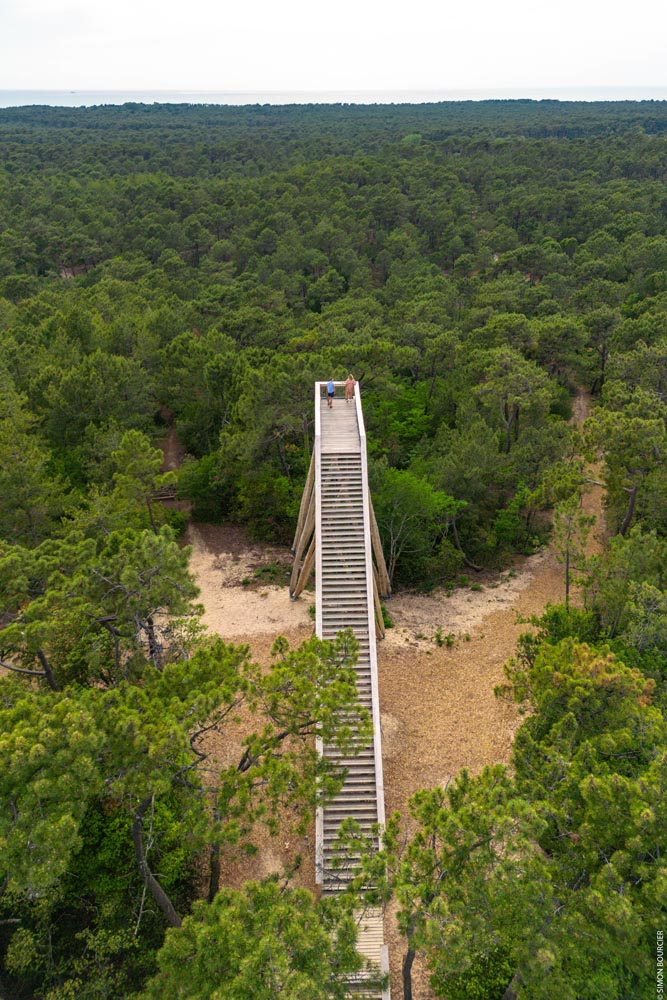
The Pey de la Blet viewpoint, where the Vendée can be seen from 360°.
The new Pey de la Blet lookout, a 62-step staircase nestling in the forest at La Barre de Monts, is a must-see site in the Saint Jean de Monts area. At the crossroads of numerous footpaths, cycle paths, trail runs and Nordic walking trails, it welcomes thousands of visitors every year who come to revel in the spectacular panoramic views over the forest, ocean and marshland.
It's located in the north of the Vendée on the road to the island of Noirmoutier, 1? hours from the campsite!
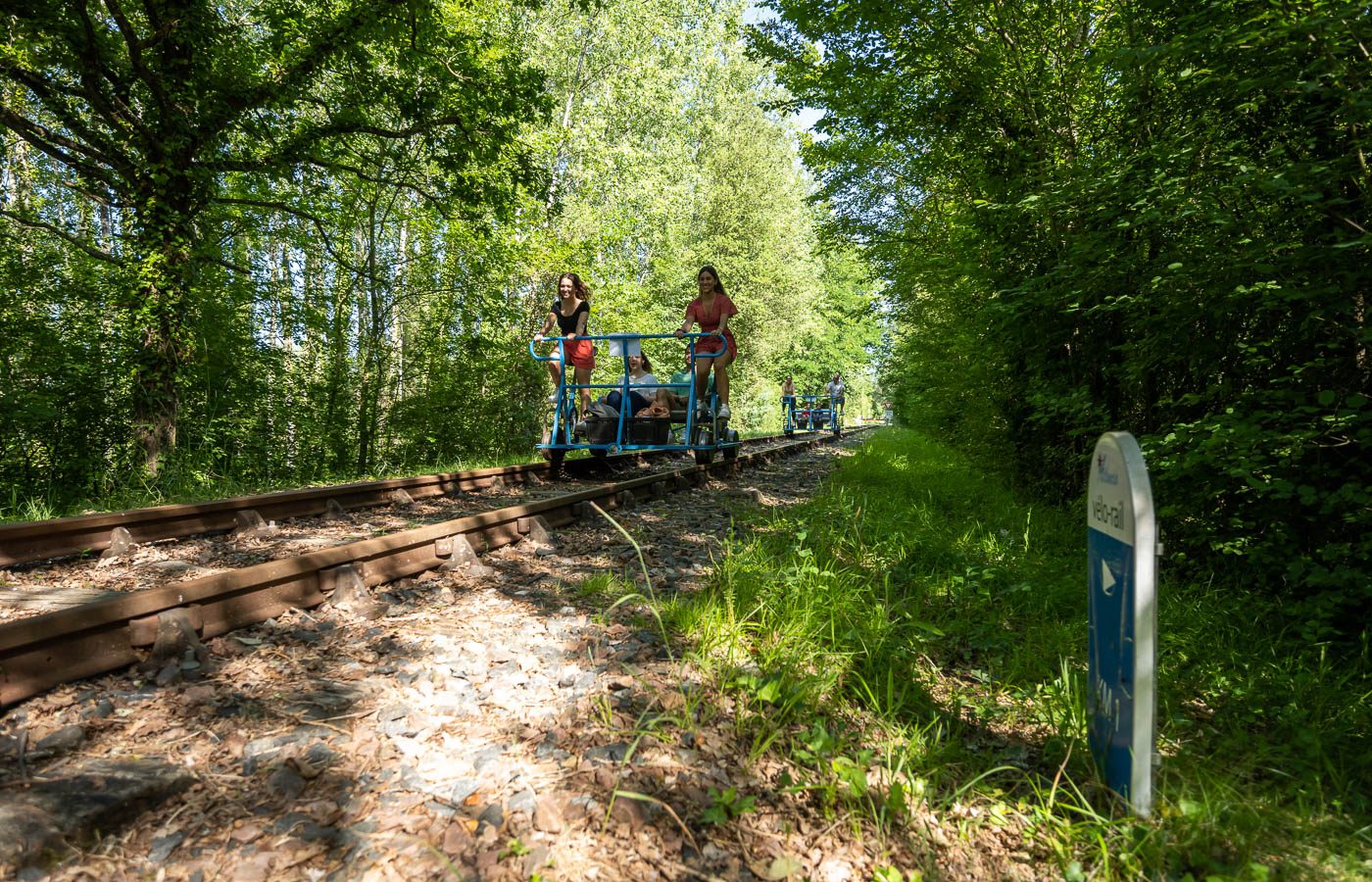
The velorail, a ride like no other!
Let yourself be seduced by an unusual ride through the heart of the Vendée bocage. Aboard a draisine, discover the countryside in a different way, between lush green landscapes and railway heritage.
Take advantage of the 1h45 round trip (14km) through the countryside of the Pays de St Gilles Croix de Vie. It's 1h10 from the campsite, in Commequiers.
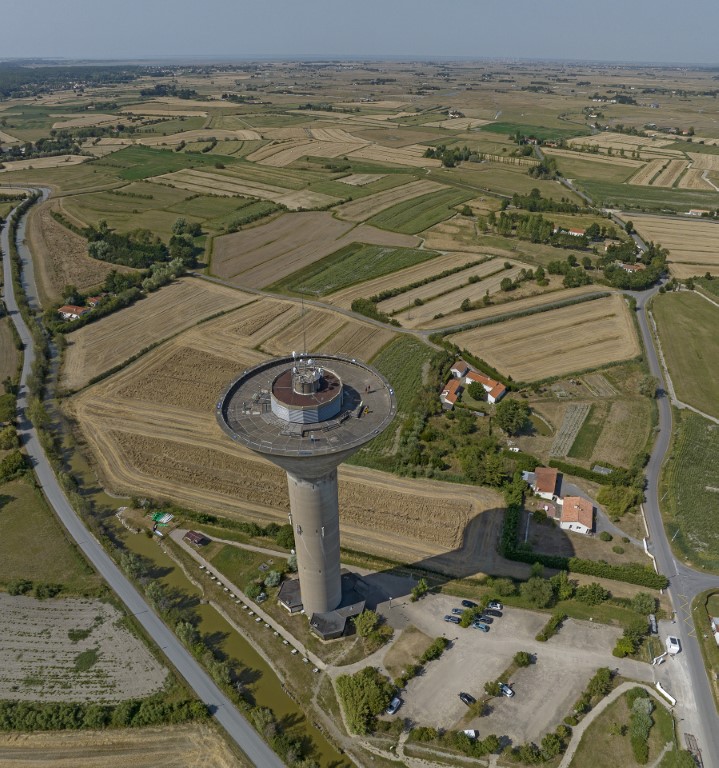
Kulmino, the vertiginous experience
70m above the ground, enjoy a breathtaking view from the platform of the water tower in action. Use binoculars and orientation tables to observe the marshes, the dunes, the forest and the islands of Yeu and Noirmoutier.
Visit an exhibition to find out more about water cycles and discover how it is transported from water towers to taps.
Water is a scarce resource, so let's learn how to do the right thing for the planet!
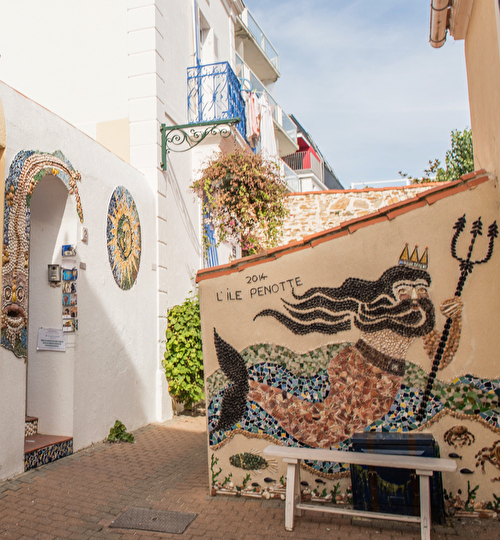
Penotte Island, where shells tell a story
This pretty pedestrian area is nestled in the centre of Les Sables d'Olonne, behind the Remblai. The houses are decorated with mosaics of multicoloured shells, the work of local artist and resident Danièle Arnaud-Aubin.
She takes her inspiration from mythology, fairy tales and fantasy stories... She creates them using shellfish: whelks and periwinkles, oysters, clams, scallops, mussels and exotic shellfish.
It's one of the sights of Les Sables-d'Olonne, and there are plenty of other wonders in store for you during the day!

The sanctuary of La Salette, a place of faith and remembrance
The sanctuary of La Salette is a group of religious buildings that bears witness to parish life in the 19th century. A real curiosity, the site surprises with its bold architecture and soothing vegetation.
It was listed as a historic monument in 1998.
It is located in the Vendée bocage, 80 km from the campsite. Picnic tables are available and pets are welcome!
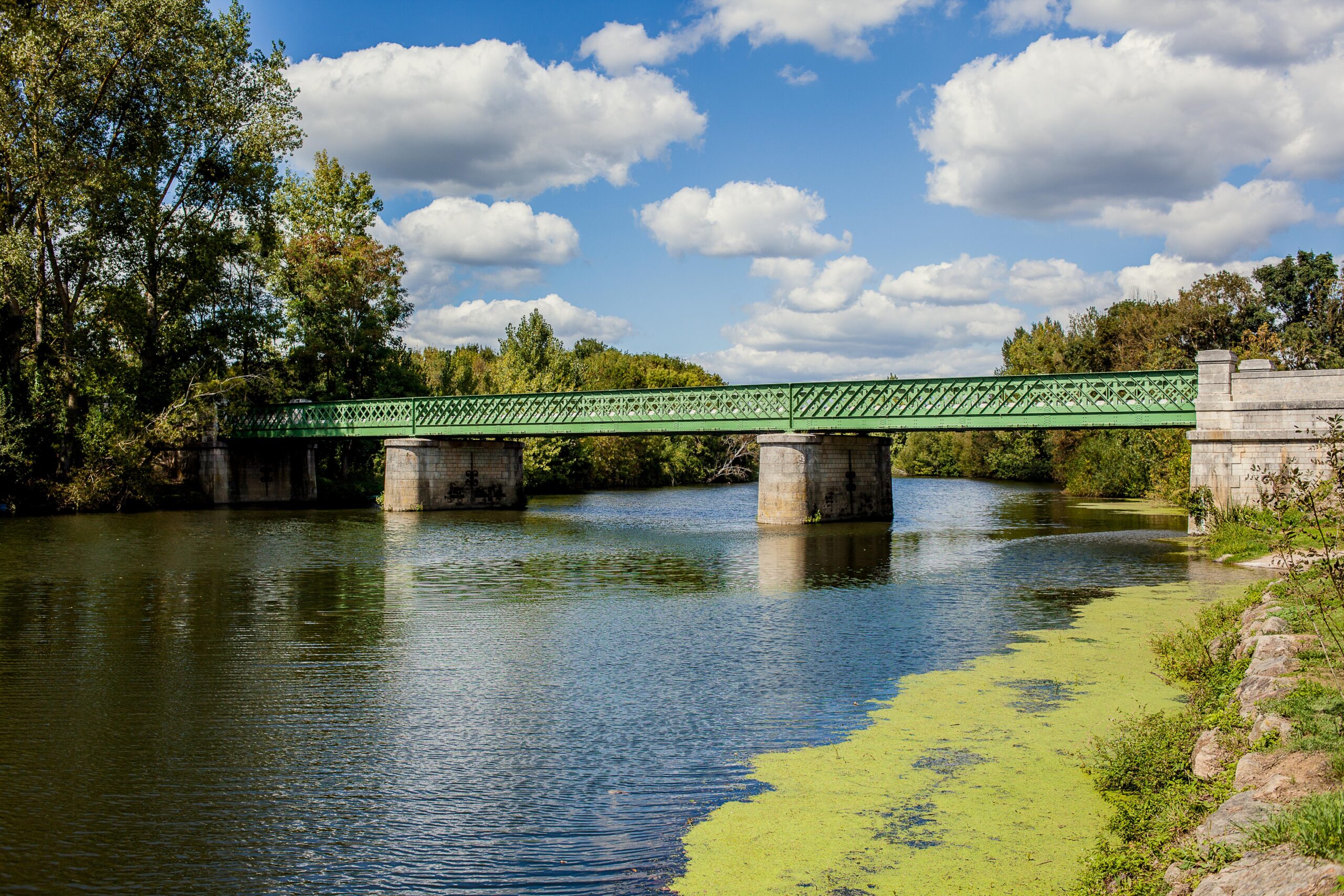
The Gustave Eiffel Bridge, a heritage jewel
This metal bridge was built by Gustave Eiffel in 1877. It is one of 16 bridges still in service built by Mr Eiffel. It is a superb example of industrial heritage of the XIXᵉ century, designed on the engineering principles of Eiffel.
It is located in Le Péault, 29 kms from the campsite!
Another Gothic bridge built by G. Eiffel in 1878 is located 9 km from the Puy du fou in Saint-Laurent-sur-Sèvre!
Mechanical animals, a journey into the land of animated creatures
Located in the heart of La Roche-sur-Yon town centre, on the Place Napoléon, these mechanical animals are the brainchild of François Delarozière, creator of the Nantes-based company ‘La Machine’.
Take control, push, pull and raise the levers! Explanatory plaques will show you the movements the animal can make: spreading its wings, opening its eyes, lifting its legs...
The town, with its parks, squares and walks, is 43 km from the campsite!
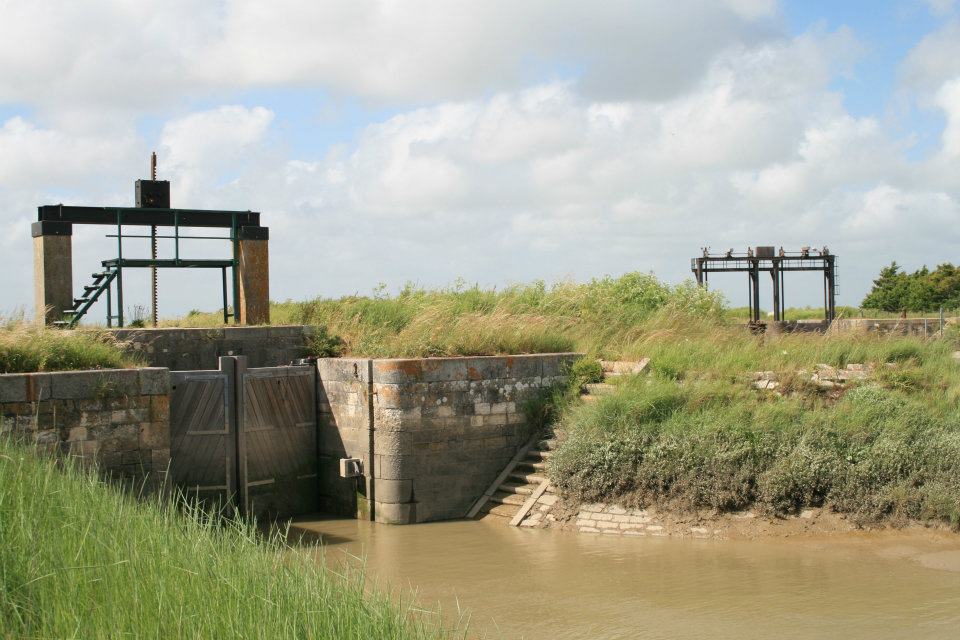
Hydraulic engineering, the art of controlling water
In the Vendée, you'll discover a number of locks during your outings. We suggest you visit the Varenne lock, one of the last floodgates in the area. It closes under the pressure of sea water at each rising tide and reopens under the pressure of fresh water at each falling tide. It was renovated in 2011 after the terrible storm Xynthia.
It's 24 km from the campsite, a lovely cycle ride through fields and tides.

The Vendée Steam Train, a timeless journey
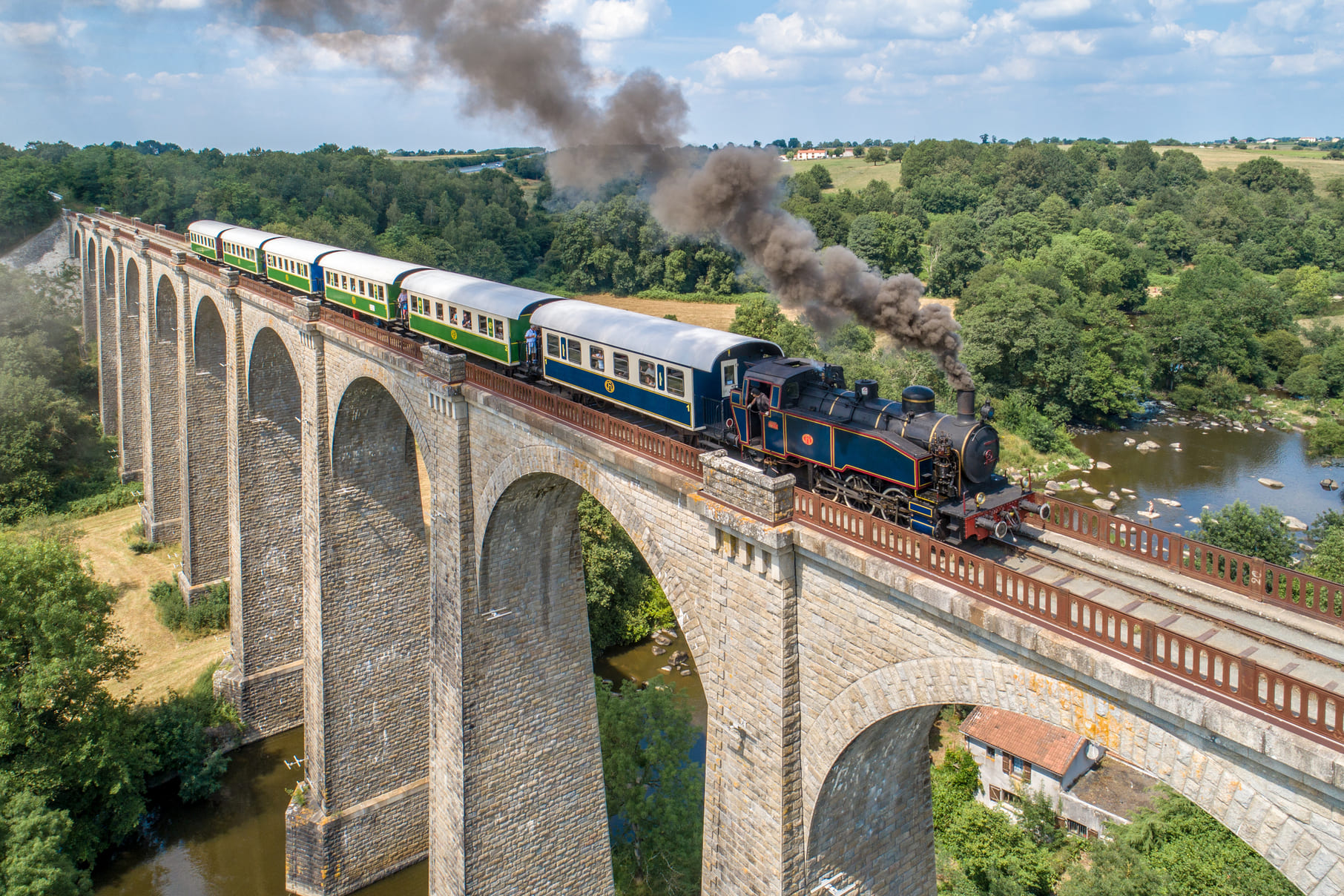
In Mortagne-sur-Sèvre, Petite Cité de Caractère, the Train de Vendée invites you on a timeless journey through the heart of the Sèvre Nantaise valley. Book your ticket now, and the Chemin de Fer de la Vendée Association will be offering extraordinary guided and animated rides on board the Steam Train, the «Voitures des Grands Express» Restaurant Train or the Autorail Picasso.
Before or after your train journey, the town has a lot to offer: the castle, the old streets, the gardens of the Cure, the church of Saint-Pierre, Vendée vitrail located in the heart of the church of Saint-Hilaire. You'll spend a day combining heritage, nature and escape just 1 hour from the campsite!
The Veillon beach, a most surprising site
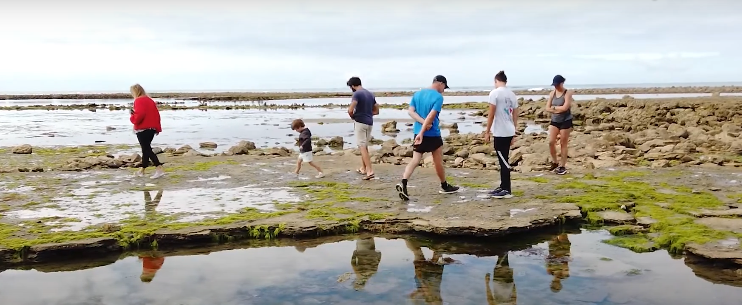
Keep your eyes peeled for footprints of various shapes and sizes, particularly among the seaweed left by the low tide, which bear witness to the passage of many species through this lagoon almost 200 million years ago... those of the dinosaurs.
Near Talmont-Saint-Hilaire, the beach at Le Veillon is home to a veritable palaeontological treasure trove, an astonishing and fascinating site to photograph!
The fine sandy beach of Le Veillon stretches for around 1 km between the mouth of the Payré and an imposing dune belt. It is bordered by dunes, a rocky coastline and a forest of pines and holm oaks.

